
Why Fitting Velux Skylights Is More Than Just Cutting a Hole in the Roof
Velux skylights have become one of the most powerful ways to transform Australian homes. But behind every stunning result is careful planning, expert installation, and a deep understanding of how light interacts with your home. Trust a professional with fitting Velux skylights.
Velux skylights are engineered products. When fitted correctly, they can:
- Increase natural daylight by up to 40% more than vertical windows (Velux Daylight Study)
- Reduce reliance on artificial lighting
- Improve mood, well-being and sleep patterns
- Add tangible value to your home
However, common faults include leaks, condensation, overheating, and structural issues.
This is why getting a professional to install your Velux skylights isn’t optional, and it’s highly recommended.
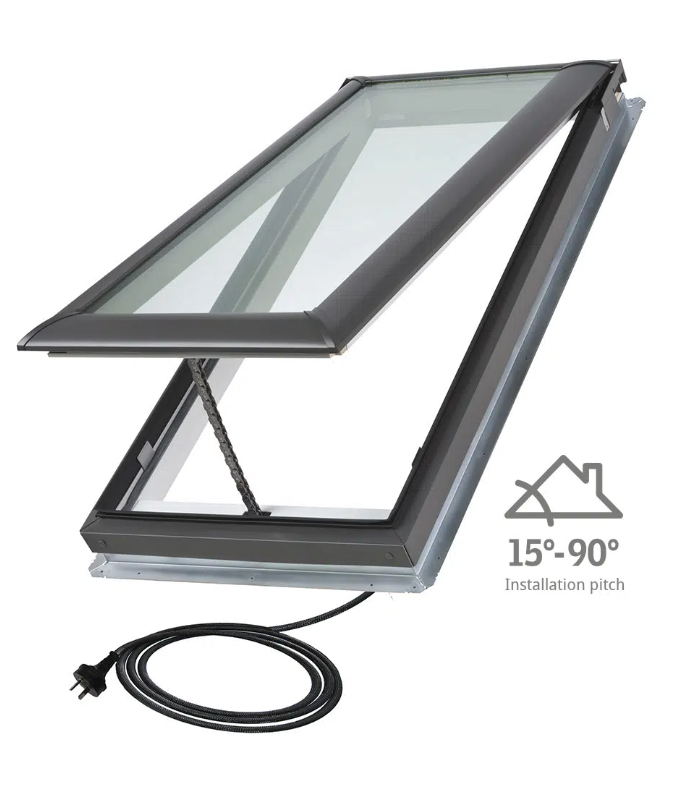
The Initial Planning Phase: Your Outline for Success
The planning phase is where great skylight installations are won or lost. Planning is what separates a stunning, leak-free feature from a costly headache down the track. This isn’t just about picking a spot on the ceiling. It’s about understanding how:
- Sunlight moves across your home
- Your roof structure supports the skylight
- The room below will actually use that light
Finding the Perfect Location: Where Design Meets Reality
Examine the Sun Throughout Your Home (Especially in Australia)
One of the first things homeowners need to do is to spend a full day observing sunlight across their home.
In Australia, orientation matters enormously:
- South-facing Velux skylights provide soft, consistent light all day. Ideal for living rooms, hallways, and bedrooms.
- North-facing skylights deliver strong, direct sunlight. Perfect for darker rooms, but can introduce extra heat in summer.
- East-facing skylights bring beautiful morning light.
- West-facing skylights offer afternoon brightness but need heat control.
According to the CSIRO, uncontrolled solar gain is one of the biggest contributors to overheating in Australian homes. This is why professional advice during the planning phase is invaluable.
Think About the Room’s Purpose
A skylight should serve the way you live.
- Kitchens: Installing a Velux skylight above the island bench creates clean, shadow-free task lighting. Kitchens go from dull to magazine-worthy without changing a single cabinet.
- Living Rooms: A centrally positioned skylight can transform the entire atmosphere, turning an ordinary space into a sun-drenched focal point.
- Bathrooms: Skylights provide privacy-friendly daylight while reducing mould by improving ventilation.
- Hallways: These forgotten spaces often benefit the most from skylights.
Check for Hidden Obstacles Before You Commit
Your roof cavity is rarely empty.
Before finalising any location for fitting Velux skylights, a professional installer will inspect for:
- Rafters and trusses
- Electrical wiring
- Plumbing pipes
- Air conditioning ducts
Hitting one of these mid-installation is not just inconvenient; it can dramatically increase costs or compromise structural integrity.
Why Velux Skylights Are the Gold Standard
Not all skylights are created equal.
Velux skylights are globally recognised for their:
- Precision-engineered flashing systems
- Double or triple glazing for insulation
- Built-in condensation management
- Compliance with Australian standards
This is why most architects, builders, and roofers recommend Velux without hesitation.
The Installation Process: What Professionals Do Differently
Structural Assessment Comes First
Before cutting anything, a professional installer assesses:
- Roof pitch and material
- Load distribution
- Internal ceiling type
This ensures your skylight doesn’t compromise your roof’s strength.
Precision Cutting and Framing
This is not guesswork. Professional installers use accurate measurements.
Flashing: The Unsung Hero
If skylights leak, flashing is almost always the culprit.
Velux flashing kits are designed specifically for:
- Tile roofs
- Metal roofs
- Low or high-pitch roofs
A correctly installed flashing directs water away from the skylight, even during heavy rain or storms.
Energy Efficiency, Heat & Glare: Addressing Common Concerns
Won’t a Skylight Make My Home Too Hot?
It can, if installed incorrectly. Modern Velux skylights use Low-E glass and thermal coatings to manage heat gain. Optional blinds further control glare and temperature.
Research from the Australian Government’s YourHome guide confirms that properly positioned skylights can reduce cooling costs by improving airflow and reducing the need for artificial lighting.
What About Winter Heat Loss?
Double-glazed Velux skylights are designed to retain warmth. In many cases, they perform better than standard windows.
DIY vs Professional Fitting Velux Skylights
The DIY Argument
Some homeowners consider DIY to save money. On paper, it sounds tempting.
The Reality
- Roof warranties can be voided
- Incorrect flashing leads to leaks
- Structural mistakes are expensive to fix
- Insurance claims may be denied
Professional fitting protects your home, your investment, and your peace of mind.
How to Choose the Right Professional
When hiring someone to fit Velux skylights, look for:
- Experience with Velux products specifically
- Knowledge of Australian building codes
- Transparent quotes
- Photos of previous installations
Ask them to walk you through the planning process. If they skip it, walk away.
H2: Light Done Right Changes Everything
Fitting Velux skylights is one of the rare home improvements that delivers immediate visual impact and long-term benefits. But the secret isn’t just the skylight itself. It’s the planning, the positioning, and the craftsmanship behind the scenes. When done properly, a Velux skylight doesn’t just brighten a room; it transforms how you live in your home.
If you’re considering fitting Velux skylights, start with a professional who understands light, structure, and your lifestyle.