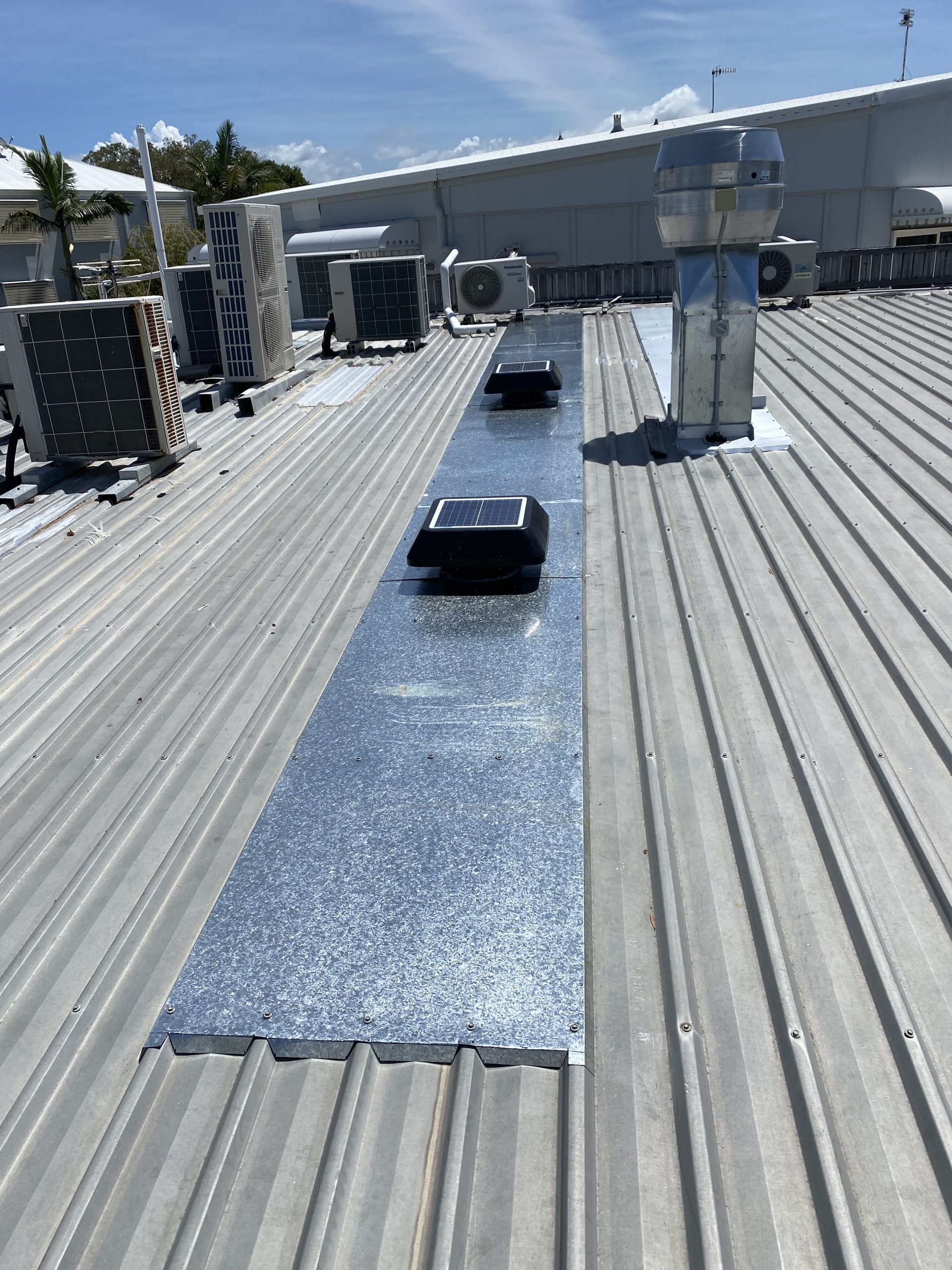
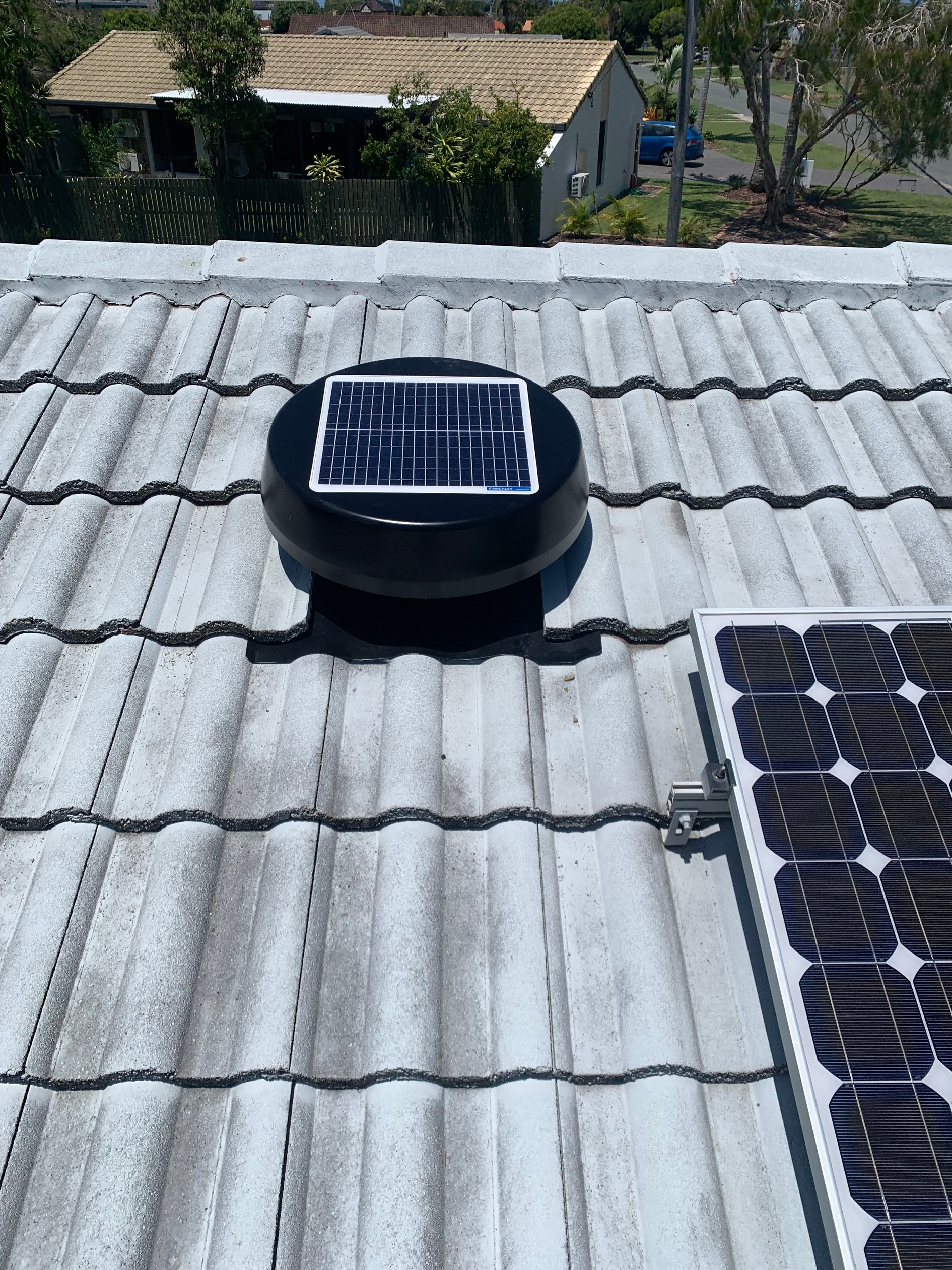
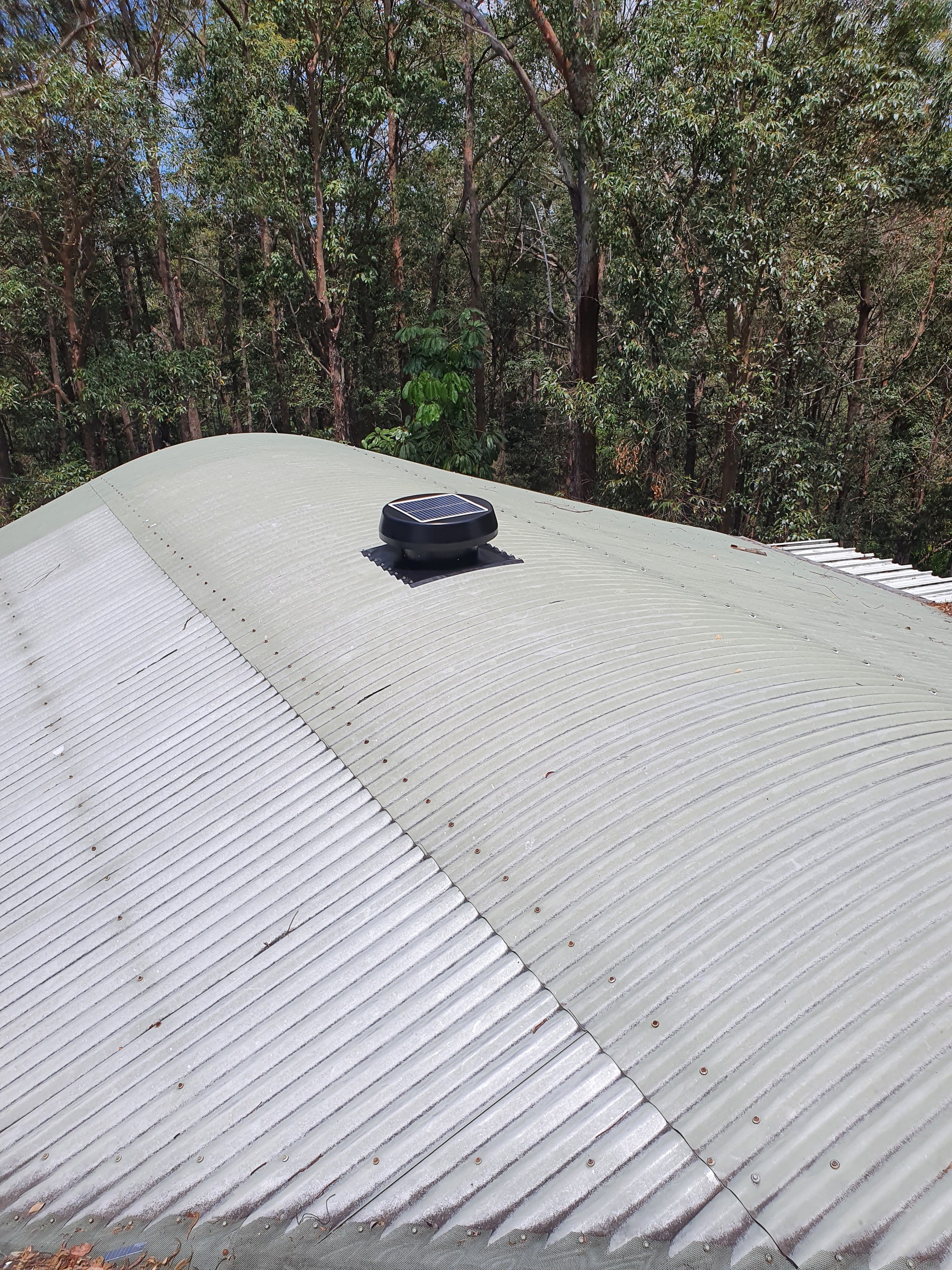
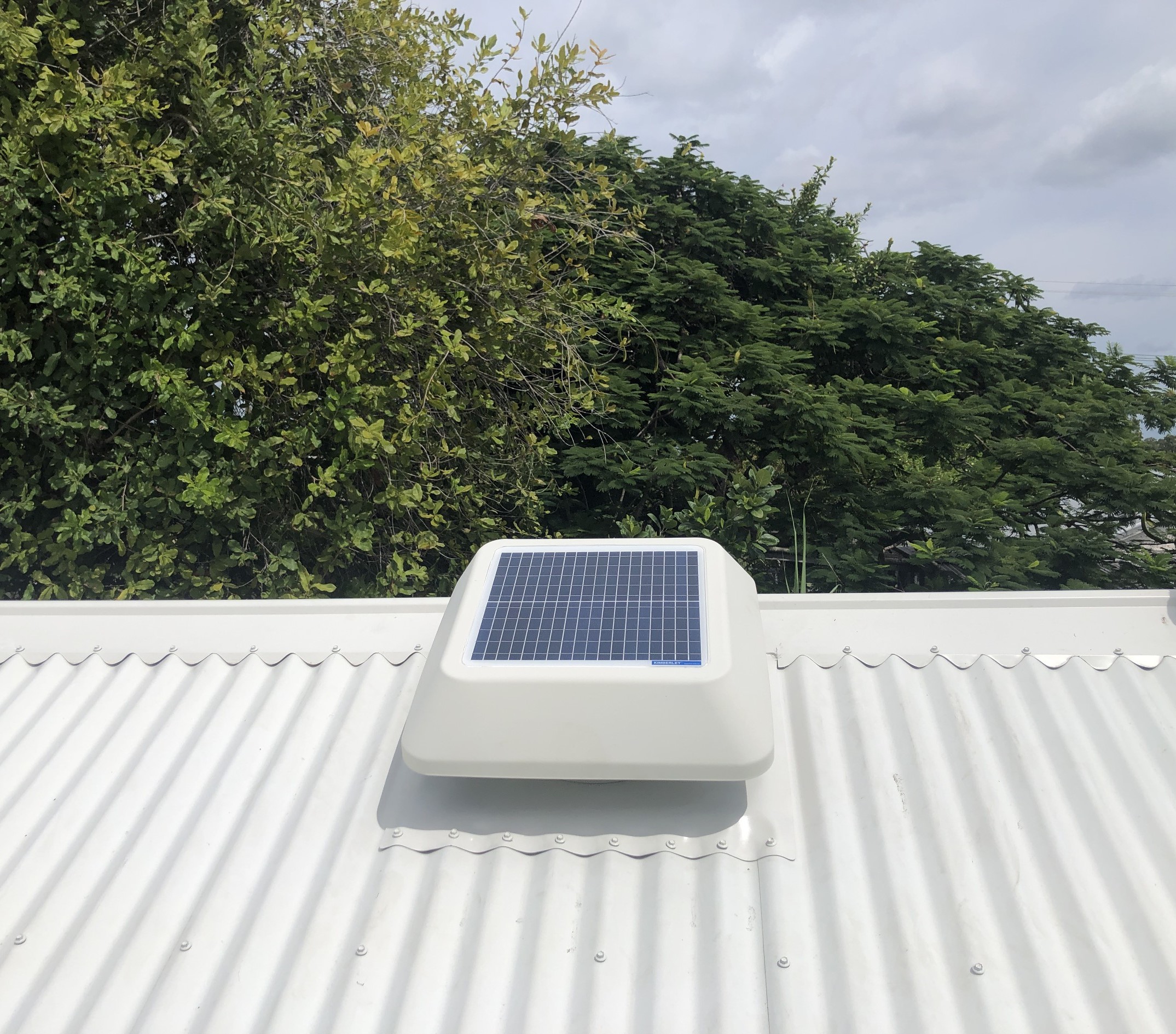
Our solar roof ventilator systems harness the power of the sun to extract heat and moisture from your roof cavity, keeping your home cooler in summer and reducing the strain on your air conditioning.
Designed for Sunshine Coast conditions, these systems provide a natural, cost-effective way to improve airflow, protect your roof structure, and create a more comfortable living environment year-round.
Traditional whirlybirds rely on wind to operate, making them inconsistent in hot or still conditions. Solar roof vents, on the other hand, use solar energy to power a fan, providing consistent airflow when your home needs it most.
| Feature | Solar Roof Vent | Whirlybird Roof Vent |
|---|---|---|
| Power Source | Solar Energy | Wind |
| Airflow | Strong and consistent | Moderate and inconsistent |
| Noise | Quiet operation | Can be noisy |
| Maintenance | Low maintenance | Moving parts can wear |
| Efficiency | Active and automatic | Weather dependent |
Living in a coastal home means dealing with heat, humidity, and salt air conditions that can trap moisture and heat inside your roof cavity. Over time, this can increase energy bills, damage insulation, and create mould or structural issues.
Let’s explore the hidden costs of poor ventilation and why solar roof vents are a wise investment for coastal homeowners.
Solar roof ventilation offers a smarter, more efficient way to manage indoor temperature and humidity while lowering energy costs.
Want to learn more about how solar roof vents improve airflow and efficiency? Read our article Sunshine Coast Solar Roof Vents: Reduce Heat & Energy Costs.
For optimal performance, install your solar roof ventilator at the highest point of the roof, where hot air naturally accumulates. The solar panel should face north to capture maximum sunlight throughout the day.
Suncoast Skylights provides professional solar roof ventilation installation across the Sunshine Coast. Our experienced team ensures correct positioning, secure installation, and a clean finish suited to your roof type and local conditions.
If you have a larger property or multiple roof sections, we can assess your layout and recommend the right number of vents for balanced airflow and the best results.
| Feature | Solar Roof Vent | Whirlybird Roof Vent |
|---|---|---|
| Power Source | Solar Energy | Wind |
| Airflow | Strong and consistent | Moderate and inconsistent |
| Noise | Quiet operation | Can be noisy |
| Maintenance | Low maintenance | Moving parts can wear |
| Efficiency | Active and automatic | Weather dependent |
Our solar roof ventilation systems are built for Australia’s coastal climate. Resistant to salt corrosion and powered entirely by the sun, they provide reliable airflow and moisture control throughout the year.
Suncoast Skylights’ solar vents help maintain roof health, extend insulation life, and keep your indoor spaces cooler, particularly for homes in Sunshine Coast suburbs like Caloundra, Maroochydore, and Noosa.
Most solar roof vents range between $400 and $900 installed, depending on capacity and model.
Yes. Solar vents provide stronger airflow, operate without wind, and prevent heat buildup during the hottest times of day.
Yes. Even under partial sunlight, modern solar panels generate enough energy to power the fan for consistent ventilation.
No, solar vents work during the day, but by cooling the roof cavity throughout daylight hours, they reduce nighttime heat significantly.
Yes. By reducing roof space heat, solar roof ventilation lowers air conditioning use and can cut cooling costs by up to 25%.
Absolutely. They are specifically designed with rust-resistant materials and moisture control features to handle coastal humidity and salt exposure.
Some models allow for DIY installation, but professional installation ensures correct placement and warranty coverage.
Yes, traditional whirlybirds can release warm air in cooler months, whereas solar roof vents only operate when needed.
A quality solar roof ventilator typically lasts 10–15 years with minimal maintenance.
No. Unlike spinning whirlybirds, solar vents use quiet motors for near-silent operation.
Stay comfortable year-round and reduce your energy costs with Suncoast Skylights’ solar roof ventilation solutions. Our systems are designed for Australian coastal homes and installed by experienced local professionals.
Contact us today to book an assessment or request a quote.